Gardena Font: Elevating Small Business Branding
I still remember the exact moment I realized my bakery’s branding was holding me back. It wasn’t the quality of the sourdough or the friendliness of the service; it was the packaging. I had spent hours hand-writing labels on kraft paper, thinking it added a personal touch. But as orders grew, the inconsistency became glaring. Some tags were neat, others rushed, and none of them looked like they belonged to a professional establishment. That is when I started searching for a script font that could bridge the gap between handmade charm and polished professionalism. That search led me to Gardena, a typeface that has since become a cornerstone of my visual identity.
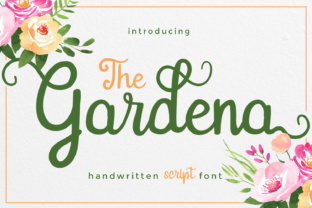
Gardena is not just another digital asset; it is a design tool inspired by the naturalness of handwriting. For small business owners, especially those in the handmade, culinary, or boutique sectors, finding a font that feels authentic yet reliable is a challenge. Many handwritten fonts look too messy to be legible, while others feel too rigid and robotic. Gardena sits comfortably in the sweet spot. It comes with appealing swashes and swirls that mimic the fluid motion of a pen, offering a refreshing aesthetic that feels both organic and intentional.
Why Typography Matters for First Impressions
In the world of brand identity, typography is often the unsung hero. Before a customer tastes your cookie, smells your candle, or tries your skincare product, they see your label. This visual introduction sets the tone for their entire experience. A cluttered or amateurish font can subconsciously signal low quality, whereas a well-chosen premium font suggests care, attention to detail, and trustworthiness.
When I switched to Gardena for my product labels, the change was immediate. The font’s elegant curves added a layer of sophistication that my previous handwritten tags lacked. It made my brand look established, even though I was still operating out of a small home kitchen. This is the power of good modern typography. It helps small businesses compete visually with larger competitors by providing a consistent and memorable look across all customer-facing materials.
Real-World Applications for Your Business
One of the strongest features of Gardena is its versatility within the Script Amp category. It is not limited to just one type of application. Here is how I have integrated it into various aspects of my business, and how you might do the same:
- Packaging Design: I use Gardena for the main product names on my bakery boxes. The swashes add a decorative flair that draws the eye, making the package feel like a gift rather than just a container.
- Social Media Graphics: Consistency is key on platforms like Instagram. I use Gardena for quote overlays and promotional announcements. Its readability on mobile screens is surprisingly good, provided the text size is large enough.
- Thank-You Cards: Including a handwritten note is a great practice, but printing a consistent "Thank You" header in Gardena adds a professional finish. It bridges the gap between mass production and personal touch.
- Website Banners: On my online shop, Gardena serves as the display font for seasonal headers. It breaks up the monotony of standard web text and adds personality to the digital storefront.
For café owners, this font could work beautifully on chalkboard menus or printed drink sleeves. For beauty brands, it adds a soft, feminine touch to skincare labels. The key is to use it where impact matters most. Because it is a creative font with intricate details, it works best for headlines, short phrases, and logos rather than long paragraphs of body text.
Pairing Gardena for Maximum Impact
A common mistake non-designers make is using a decorative script font for everything. This leads to visual fatigue and poor readability. To make Gardena shine, you need to pair it with a complementary typeface. I recommend pairing it with a clean sans serif font for a modern, minimalist look. The contrast between the flowing curves of Gardena and the structured lines of a sans serif creates a balanced hierarchy that is easy for customers to scan.
Alternatively, if you are aiming for a more traditional or luxurious feel, try pairing it with an elegant serif font. This combination works well for wedding invitations, high-end boutique tags, or editorial-style blog headers. The serif adds authority and tradition, while Gardena brings warmth and approachability. Avoid pairing it with another complex script or a overly decorative handwritten font, as this will create clutter and confuse the viewer.
Practical Tips for Readability and Licensing
While Gardena is visually stunning, it requires thoughtful implementation. When using it for packaging design on small items like lip balms or jewelry tags, ensure the font size is large enough to maintain legibility. The intricate swashes can blur if printed too small or at low resolution. Always test your designs on actual physical mockups before sending them to print. What looks clear on a high-resolution monitor may not translate perfectly to a small sticker.
Furthermore, always check the technical specifications of the font file. Look for included styles, such as alternates and ligatures, which allow you to customize the look of specific letters for a more unique appearance. Ensure the font supports the languages you need for your target market. Most importantly, verify the commercial font licensing terms. If you are selling products, creating templates for clients, or using the font in digital ads, you must have the appropriate license. Using a font without proper clearance can lead to legal issues that no small business owner wants to face.
Incorporating Gardena into your design assets is more than just a cosmetic upgrade. It is a strategic move toward building a cohesive and trustworthy brand. Whether you are refreshing a menu, designing new labels, or updating your social media presence, this font offers the flexibility and elegance needed to stand out in a crowded marketplace. By treating typography as a core component of your brand strategy, you invite customers to see not just what you sell, but the care and creativity behind it.